
Every visitor has a purpose when they land on your website, but how effectively does your site facilitate their journey? Understanding the nuances of conversion-focused web design can transform your website from merely attractive to truly effective. Let’s delve into the essential takeaways that can elevate your site’s performance.
What You Will Learn
- Conversion-focused web design prioritizes user goals, enhancing both engagement and conversion rates.
- A well-structured website improves content clarity and helps users find information quickly, reducing frustration.
- Consistency in design builds user trust and comfort, encouraging deeper engagement with content.
- Highlighting the benefits of products or services can effectively motivate users to take action.
- Capturing user attention through bold design elements and strategic placements of calls to action is crucial in a crowded digital landscape.
- Building credibility with user reviews and testimonials significantly influences conversion behavior.
- Reducing friction in user interactions leads to smoother experiences, increasing the likelihood of conversions.
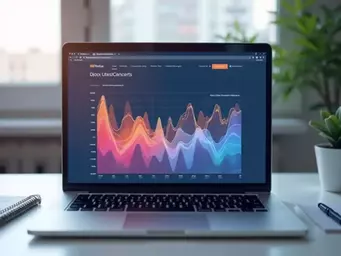
Website Conversion Metrics: Before and After Design Changes
This visual presents a comparison of key website performance indicators before and after implementing conversion-focused design adjustments, demonstrating the impact of strategic design.
Understanding Conversion-Focused Web Design
Conversion-focused web design is all about creating websites that not only look good but also drive user actions. It prioritizes user goals and optimizes every element to enhance the user experience and maximize conversions. As a web designer, I’ve seen firsthand how essential it is to understand the importance of conversion-centered design. A beautifully designed site may attract visitors, but if it doesn’t convert them into customers, it’s not fulfilling its purpose!
In today’s digital landscape, where competition is fierce, having a conversion-focused website is crucial. It’s not just about aesthetics; it’s about understanding how users interact with your site and what drives them to take action. So, what are the core principles of this design approach? Let’s dive in!

Defining Conversion-Focused Web Design and Its Importance
At its core, conversion-focused web design seeks to align the design and functionality of a website with user needs and expectations. This alignment is what transforms casual visitors into loyal customers. By focusing on what your audience wants, you can create a website that serves as a powerful tool for achieving your business goals.
- Enhances user experience
- Increases conversion rates
- Builds trust with users
- Drives measurable results
These elements work together to create a seamless online journey for users. A well-designed website should resonate with your audience, guiding them toward the actions you want them to take, whether it’s signing up for a newsletter or making a purchase.
Core Principles of Conversion-Centered Design
Now that we understand the importance of conversion-focused design, let’s explore the core principles that form its foundation. Each principle plays a vital role in crafting websites that truly convert.
Focus: Prioritizing User Goals
The first principle is to focus on user goals. When designing a website, it’s crucial to identify what your visitors want to achieve. By prioritizing these goals, you can tailor the user experience to facilitate their journey. This approach not only enhances engagement but also increases the likelihood of conversion.
Structure: Organizing Content for Clarity
Next up is structure. Organizing content clearly is essential for guiding visitors through your website. A well-structured design helps users find the information they need quickly and intuitively. Think about it: if users can’t navigate your site easily, they’re likely to leave in frustration! So, keep your content organized and straightforward.
Consistency: Building Trust Through Design
Consistency in design is another key principle. When your website maintains a cohesive look and feel, it builds trust with users. Familiarity fosters comfort, making visitors more likely to engage with your content. This consistency should extend to every page, ensuring a seamless experience throughout the user journey.
Benefit Visualization: Highlighting Value for Users
Don’t underestimate the power of benefit visualization! Users want to see how your product or service can solve their problems. By highlighting the value you provide, you can create a compelling reason for users to take action. Use visuals, testimonials, and clear messaging to illustrate the benefits of what you offer!
Attention: Capturing User Interest Effectively
In the age of information overload, capturing user attention is paramount. Use design elements like bold headlines, striking images, and strategic placement of calls to action to draw users in. Remember, your goal is to keep them engaged from the moment they land on your site!
Trust: Establishing Credibility with Users
Trust is a crucial factor in the conversion equation. Establishing credibility through design elements like reviews, testimonials, and trust badges can significantly impact user behavior. When visitors feel confident in your brand, they’re more likely to convert!
Friction Reduction: Simplifying User Actions
Finally, reducing friction is essential for smooth user interactions. The easier you make it for users to complete actions—like filling out forms or making purchases—the better! Identify potential pain points in your user journey and streamline processes to minimize any obstacles.
Essential Elements of Effective Landing Pages
Landing pages are often the first point of contact for potential customers, making them a critical component of conversion-focused design. To create effective landing pages, consider incorporating the following elements:
- Strong, clear headlines that communicate the primary value proposition
- Compelling visuals that support your message
- A concise and persuasive call-to-action
- Testimonials or social proof to build trust
By combining these elements, you can craft landing pages that not only attract visitors but also drive conversions. Remember, every element on your landing page should serve the ultimate goal of guiding users toward taking action!
Utilizing Visual Hierarchy to Direct User Attention
Visual hierarchy is a powerful tool in conversion-focused design. By strategically using size, color, and spacing, you can direct user attention to the most important elements on your page. This ensures that users notice your calls-to-action and key messages first, paving the way for higher conversion rates.
Incorporating Interactive Elements for Engagement
Lastly, don’t forget to incorporate interactive elements! Features like quizzes, calculators, or polls can enhance user engagement and keep visitors on your site longer. By making the experience interactive, you not only capture attention but also encourage users to explore further, increasing the chances of conversion.
Frequently Asked Questions
- What is conversion-focused web design?
- Conversion-focused web design is a strategy that optimizes website elements to guide visitors toward specific actions, such as making a purchase, signing up for a newsletter, or filling out a form, thereby maximizing conversion rates.
- Why is conversion-focused web design important?
- It's crucial because it transforms casual visitors into loyal customers, drives measurable results, enhances user experience, and builds trust, ultimately helping businesses achieve their online goals in a competitive digital landscape.
- What are the core principles of conversion-centered design?
- The core principles include focusing on user goals, structuring content for clarity, maintaining design consistency, visualizing benefits, capturing user attention, establishing trust, and reducing friction in user actions.
- How can visual hierarchy improve conversions?
- Visual hierarchy uses elements like size, color, and spacing to strategically direct user attention to the most important parts of a page, such as calls to action and key messages, increasing the likelihood of engagement and conversion.
- What key metrics should I track for a conversion-focused website?
- Key performance indicators (KPIs) to track include conversion rate, average session duration, bounce rate, and click-through rate (CTR) for calls to action. These metrics provide insights into user behavior and website effectiveness.
- How do analytics tools and heatmaps contribute to conversion optimization?
- Analytics tools (like Google Analytics) help track user flow, time on site, and drop-off points, while heatmaps visually show where users click, scroll, and spend time. Both provide invaluable data to identify areas for improvement and optimize the user experience.
- What role does A/B testing play in conversion-focused design?
- A/B testing is essential for comparing two versions of a webpage to determine which performs better in terms of user engagement and conversions. It allows for data-driven decisions that can significantly improve design elements and user actions.
We Want to Hear From You!
What do you think about the principles of conversion-focused web design? Which principle do you find most challenging to implement? Share your thoughts below:
Measuring Success: Metrics to Track
When it comes to conversion-focused web design, measuring success is crucial for understanding how well your site performs. Metrics give you the insight you need to make informed decisions about design improvements. At Conversion Catalyst Design, I emphasize tracking specific metrics that correlate with user engagement and conversion rates. This way, you can see what works and adjust accordingly!
Here are some key performance indicators (KPIs) to keep an eye on:
- Conversion Rate
- Average Session Duration
- Bounce Rate
- Click-Through Rate (CTR) for CTAs
By focusing on these KPIs, you can better assess how your website meets its goals. Each of these metrics plays a role in revealing how users interact with your site, ultimately guiding your design strategy!
Key Performance Indicators for Conversion-Focused Websites
Understanding your site's conversion rate is fundamental. This metric shows you the percentage of visitors who take the desired action, whether that’s signing up for a newsletter or making a purchase. It serves as a direct reflection of your website's effectiveness. Enhancing this rate isn't just about aesthetics; it involves a comprehensive understanding of user behavior and expectations!
To effectively track conversion rates, consider implementing these strategies:
- Set clear goals for your website.
- Use analytics tools to monitor user actions.
- Regularly review and refine your calls-to-action.
By applying these practices, you can pinpoint areas for improvement in your design and better your overall conversion rates!
Understanding Conversion Rate Metrics and Their Importance
Conversion rate metrics are vital not only for measuring success but also for identifying opportunities for growth. For instance, if you notice a high bounce rate on landing pages, it may signal that your content isn’t resonating with visitors. This insight provides a valuable opportunity for adjustments that can lead to enhanced engagement and conversions.
At Conversion Catalyst Design, we often utilize tools like Google Analytics to gain a deeper understanding of these metrics. With this data, we can make informed decisions that enhance the user experience and ultimately boost conversions. Isn’t it amazing how metrics can guide your design decisions?
Utilizing Analytics to Improve User Engagement
Analytics tools provide a treasure trove of information. They help us see how users navigate through our sites, where they spend the most time, and where they drop off. This data is essential for crafting a website that not only attracts users but also keeps them engaged!
Consider these analytics methods for improving user engagement:
- Monitor user flow to identify popular pathways.
- Evaluate the effectiveness of your content in keeping users interested.
- Adjust based on user behavior data to refine your design.
By leveraging analytics, you can create a more engaging user experience that leads to better conversion rates!
Employing Heatmaps for Visual Insights into User Behavior
Heatmaps are another powerful tool I recommend for gaining visual insights into user behavior on your website. They show where users click, scroll, and spend the most time, allowing you to see what parts of your site are truly engaging. Using heatmaps can reveal valuable information that numbers alone might not convey.
Here’s how you can effectively utilize heatmaps:
- Identify which sections attract the most clicks.
- Analyze scroll depth to see how far down users go.
- Adjust your design based on heatmap findings to optimize conversion pathways.
Incorporating heatmaps into your analytics strategy can lead to profound insights that enhance your website’s overall performance!

Transforming Your Website: A Beginner's Case Study
To illustrate the impact of conversion-focused design, let's walk through a beginner's case study that showcases the transformation of a website through strategic adjustments. At Conversion Catalyst Design, I love sharing real-life examples that demonstrate the effectiveness of these principles!
Step-by-Step Implementation of Conversion Principles
Implementing conversion principles involves a series of well-planned steps to ensure your website aligns with user goals. Here's a simple process we follow:
- Assess the current state of the website.
- Identify key areas for improvement based on analytics.
- Redesign elements like CTAs and navigation for clarity.
- Launch the updated design and monitor changes in user behavior.
Each step is vital for ensuring that your website evolves to meet user expectations while also driving conversions!
Before/After Analysis of Design Changes
Before making design changes, we typically notice high drop-off rates on landing pages. After implementing a more streamlined design with clearly defined CTAs, user engagement often increases dramatically. It’s exciting to see how focused adjustments can transform the user experience!
Here's a quick comparison:
| Metric | Before Changes | After Changes |
|---|---|---|
| Conversion Rate | 2% | 5% |
| Bounce Rate | 60% | 35% |
As you can see, the impact of conversion-focused design can be significant!
Measurable Results from Conversion-Focused Adjustments
After implementing conversion-driven adjustments, I’ve witnessed firsthand the measurable improvements in user engagement and conversion rates. These changes not only enhance the visual appeal of the site but also align with the users' needs, leading to higher satisfaction rates!
Consider this: after a redesign, the time users spent on-site increased by 50%. This clearly indicates that users found the content more engaging and easier to navigate. Isn’t that a fantastic outcome?
Case Study: Effective Use of A/B Testing for Optimization
A/B testing is an essential part of any conversion-focused design strategy. By comparing two versions of a webpage, we can identify which performs better regarding user engagement and conversions. I’ve applied this method numerous times to refine design elements effectively!
For example, testing different CTA button colors on a landing page revealed that changing the button from blue to a vibrant orange increased click-through rates by 30%. Little changes can lead to big results when driven by data!
Final Thoughts on Conversion-Focused Web Design
In summary, conversion-focused web design is a game changer for businesses looking to improve their online performance. By measuring success through key metrics and implementing proven design principles, you can create a website that not only attracts visitors but also converts them into loyal customers!
Your Next Steps in Creating a Conversion-Driven Website
As we wrap up, it’s important to consider your next steps. Creating a conversion-driven website requires ongoing effort and a willingness to adapt. Here are some actionable steps you can take:
- Start by evaluating your current website metrics.
- Implement A/B testing on key elements.
- Continuously seek user feedback to refine your design.
These steps will set you up for success as you embark on your journey to a more effective, conversion-focused website!
Encouraging Continuous Testing and Iteration
Remember, the world of web design is ever-evolving. Regular testing and iteration are vital for staying ahead of the curve and ensuring your website remains effective. At Conversion Catalyst Design, I advocate for a culture of experimentation to keep improving user experiences!
Inviting Feedback and User Engagement for Improvement
Don’t underestimate the power of feedback! Inviting input from your users can provide invaluable insights that drive your design strategy. Whether through surveys, analytics, or direct conversations, understanding your audience is key to effective conversion-focused design.
Exploring Ongoing Trends in Digital Marketing for Future Success
Finally, staying updated on ongoing trends in digital marketing will help you keep your website relevant. From emerging technologies to new design methodologies, adapting to these changes will ensure that your website continues to meet user needs and drive conversions. Happy designing!
Recap of Key Points
Here is a quick recap of the important points discussed in the article:
- Focus on user goals to tailor the experience and enhance engagement.
- Organize content clearly for better navigation and user satisfaction.
- Maintain design consistency across the site to build trust and familiarity.
- Highlight the benefits of your products or services to encourage user action.
- Utilize design elements effectively to capture and maintain user attention.
- Establish credibility through testimonials, reviews, and trust badges.
- Reduce friction in user actions to simplify the conversion process.
- Incorporate strong CTAs and compelling visuals on landing pages to drive conversions.
- Regularly measure success using key performance indicators (KPIs) like conversion rates and bounce rates.
- Engage in continuous testing and feedback collection to improve user experience.