

As digital interactions surge, transforming your website into a mobile-friendly platform is no longer optional—it's a necessity. A staggering 50% of web traffic emanates from mobile devices, highlighting the urgent need for a mobile-first user experience. How can you elevate your site to meet these demands and enhance conversions? Here are the essential strategies you need to implement.
What You Will Learn
- Fast load times are crucial; aim for your site to load in under three seconds to minimize bounce rates.
- Design for touch; larger buttons improve navigation and user interaction on mobile devices.
- Responsive design is key; ensure your site adapts smoothly to various screen sizes for optimal user experiences.
- Mobile usability is essential; simplify navigation to enhance user engagement and satisfaction.
- Utilizing sticky CTAs can keep important actions visible as users interact with your content.
- Monitor key metrics such as bounce rate and conversion rate to track the effectiveness of your mobile strategies.
Key Mobile UX Metrics & Strategies for Conversion Boost
This visual highlights critical metrics for mobile-first design success and actionable strategies to enhance user experience and drive conversions. For a deeper understanding of how thoughtful design impacts user actions, explore understanding conversion-focused web design.
Key Metrics for Success
- ✓Low Bounce Rate
- ✓High Conversion Rate
- ✓Longer Session Duration
Immediate Tactical Wins
- ⚡Fast Load Times (3s)
- 👆Design for Touch
- 📱Responsive Design
Essential Takeaways
- ✅Prioritize Usability
- ✅Use Sticky CTAs
- ✅Streamline Checkout
Implementation Checklist
- ⭐Assess Performance
- ⭐Redesign for Thumb
- ⭐Set Up A/B Tests
Mobile-First UX: Strategies to Boost Conversions with Evidence-Backed Insights
Did you know that over 50% of web traffic comes from mobile devices? This statistic highlights the importance of a mobile-first user experience (UX) in today's digital landscape. As a web designer and digital strategist at Conversion Catalyst Design, I've seen firsthand how implementing a mobile-first approach can dramatically enhance conversion rates. Let’s dive into three immediate tactical wins to elevate your mobile UX:
- Prioritize Fast Load Times: Ensure your website loads within three seconds to reduce bounce rates.
- Design for Touch: Create larger buttons and touch-friendly elements for easy navigation.
- Utilize Responsive Design: Ensure your site adapts seamlessly to different screen sizes for optimal viewing experiences.
By focusing on these strategies, you can create a mobile experience that not only looks great but also drives real conversions!

Understanding the Impact of Mobile-First Design on Conversion Rates
Why Mobile-First Approach is Essential for Modern Businesses
As we continue to navigate a mobile-centric world, the correlation between a mobile-first design and improved conversion rates becomes increasingly clear. A mobile-first approach isn’t just a trend; it’s a necessity for any business striving to thrive online. When we design with mobile users in mind, we prioritize their needs, leading to better engagement and ultimately higher conversion rates.
Consider this: a website that caters to mobile users effectively can see a boost in conversions of up to 200%. By embracing a user-centric focus, we can craft experiences that resonate with our audience and encourage them to take action—be it making a purchase, signing up for a newsletter, or engaging with content. To truly understand user behavior on your site, exploring behavioral analytics enhances user experience by providing invaluable insights.
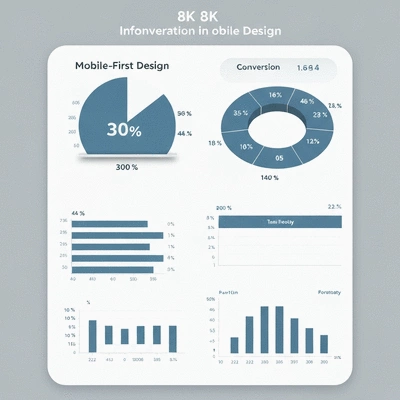
Key Metrics That Reflect Success in Mobile UX
To gauge the effectiveness of your mobile-first design, it's important to monitor several key metrics. Understanding these metrics can provide valuable insights into user behavior and help you refine your strategies. Some of the most vital metrics include:
- Bounce Rate: A high bounce rate indicates that visitors are leaving your site quickly, which can signal a need for better mobile optimization.
- Conversion Rate: Track how many users complete desired actions. This is the ultimate indicator of your mobile site’s effectiveness.
- Average Session Duration: Longer sessions can indicate that users are engaging with your content, a positive sign of a well-designed mobile experience.
By closely monitoring these metrics, you can identify areas for improvement and make data-driven adjustments to enhance your mobile UX.
Pro Tip
To further enhance your mobile-first UX, consider integrating micro-interactions. These small, subtle animations can provide users with feedback on their actions, such as button presses or form submissions. Not only do they improve the user experience, but they also make your site feel more responsive and engaging, ultimately leading to higher conversion rates!
FAQs about Mobile-First UX and Conversion
Q: Why is a mobile-first approach essential for my website?
A: A mobile-first approach is crucial because over 50% of web traffic originates from mobile devices. Designing for mobile users first ensures a better user experience, higher engagement, and significantly improved conversion rates, which are vital for modern businesses.
Q: What are the key immediate tactical wins for improving mobile UX?
A: Three immediate tactical wins include prioritizing fast load times (under 3 seconds), designing for touch with larger, user-friendly buttons, and utilizing responsive design to ensure seamless adaptation across various screen sizes.
Q: Which metrics should I monitor to assess the success of my mobile UX strategy?
A: Key metrics to monitor are bounce rate (to see if visitors leave quickly), conversion rate (to track desired actions), and average session duration (to gauge user engagement with your content).
Q: How can sticky CTAs help boost conversions on mobile?
A: Sticky Calls-to-Action (CTAs) remain visible as users scroll, making it easier for them to take desired actions at any point. This constant visibility encourages interaction and can dramatically increase conversion rates by keeping important actions accessible.
Q: What is the role of A/B testing in mobile-first design?
A: A/B testing is crucial for continuously improving your mobile-first design. By testing different layouts, features, and content elements, you can gather data on what resonates best with your audience, allowing for data-driven adjustments that lead to higher conversions.
Summarizing Key Takeaways for Effective Mobile-First UX
As we wrap up our discussion on mobile-first design, it's crucial to remember the key strategies that can significantly boost your conversions. Implementing a mobile-first approach not only enhances user experience but also aligns with the modern consumer's browsing habits. Here are the essential takeaways:
- Prioritize mobile usability: Ensure your website is easy to navigate on mobile devices.
- Use sticky CTAs: Keep your calls-to-action visible, encouraging user interaction.
- Optimize load speed: Fast-loading pages reduce bounce rates and keep users engaged. For practical tips, check out how to improve mobile loading times today.
- Streamline checkout processes: Simplicity in mobile checkouts can dramatically reduce cart abandonment.
- Incorporate A/B testing: Continuously test different elements to find what resonates best with your users.
By focusing on these strategies, you set your business up for success in a landscape where mobile browsing continues to dominate. It’s not just about looking good on a smartphone; it’s about creating a seamless experience that encourages conversions!
Next Steps: Implementing Mobile-First Strategies for Your Business
Now that we've explored the vital aspects of mobile-first design, it’s time to take action! At Conversion Catalyst Design, we believe in empowering businesses to drive results through effective web strategies. Here’s a quick checklist to help you implement these mobile-first strategies:
- Assess your current mobile performance: Use tools like Google PageSpeed Insights to identify areas for improvement.
- Redesign for thumb-friendly navigation: Ensure key buttons and links are easily reachable with a single hand.
- Implement sticky CTAs: Position your CTAs in a way that they remain accessible as users scroll.
- Optimize checkout processes: Simplify your checkout form to the essentials for a quicker user experience.
- Set up A/B tests: Regularly test different layouts and features to see what works best for your audience.
By following this checklist, you can start transforming your mobile presence today! Remember, the goal is to create an engaging environment that leads to higher conversions and satisfied users. Let’s turn those insights into impactful actions right away!
Recap of Key Points
Here is a quick recap of the important points discussed in the article:
- Prioritize Fast Load Times: Ensure your website loads within three seconds to reduce bounce rates.
- Design for Touch: Create larger buttons and touch-friendly elements for easy navigation.
- Utilize Responsive Design: Ensure your site adapts seamlessly to different screen sizes for optimal viewing experiences.
- Monitor Key Metrics: Track bounce rates, conversion rates, and average session duration to gauge your mobile UX effectiveness.
- Incorporate Sticky CTAs: Keep calls-to-action visible to encourage user interaction.
- Streamline Checkout Processes: Simplify mobile checkouts to reduce cart abandonment.
- Implement A/B Testing: Continuously test different elements to find what resonates best with your users.