

In an era where web performance can make or break your online presence, understanding its nuances is essential. Speed not only affects user satisfaction but also plays a crucial role in search engine rankings. Are you ready to elevate your website’s performance?
What You Will Learn
- Web performance optimization has shifted from optional to essential for user retention and SEO.
- A one-second delay in loading time can significantly reduce conversion rates.
- Core Web Vitals—LCP, FID, and CLS—are critical metrics to monitor for enhancing user experience.
- Establishing a performance budget aids in maintaining optimal loading times and page weight.
- Using tools like Google PageSpeed Insights and GTmetrix can provide invaluable insights for performance enhancement.
- Engagement with community forums can provide additional support and knowledge in web performance optimization.
Web Performance Optimization: Key Metrics & Tools
In web performance, understanding Core Web Vitals and leveraging essential tools are crucial for a fast and effective online presence. This visual highlights key metrics and a selection of tools to help you optimize your website.
Core Web Vitals: Critical Metrics
Loading time of largest content element.
Time from user interaction to browser response.
Visual stability during loading.
Essential Web Performance Tools
-
GTmetrix:
Detailed reports & recommendations.
-
PageSpeed:
Valuable metrics for site speed.
-
Pingdom:
Monitors uptime & performance.
-
NitroPack:
Automates performance enhancements.
Understanding the Importance of Web Performance Optimization in 2025
As we dive into 2025, it's clear that web performance optimization has transitioned from a nice-to-have to a critical necessity. Speed matters more than ever, not just for user satisfaction but also for search engine rankings. If your website doesn't load quickly, you risk losing potential customers and damaging your online reputation. Think of your website as your storefront; if it takes too long to open, customers will walk away before they even see what you have to offer!
Why Speed Matters for User Experience and SEO
When users visit your site, they expect a seamless experience. A slow-loading website can lead to frustration and abandonment. In fact, studies show that a mere one-second delay can lead to a significant drop in conversions. This is why having a fast website is crucial for both user experience and SEO. Google has made it clear: speed plays a role in how high your site appears in search results. A faster site not only retains visitors but also helps you climb the search rankings!
- Improved user retention rates
- Higher conversion rates
- Better search engine rankings
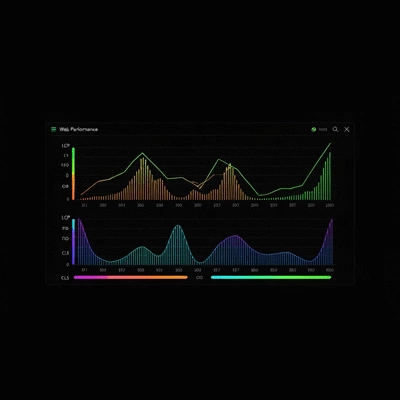
At Conversion Catalyst Design, we prioritize speed in our web design process. By focusing on performance, we ensure that your users have a positive experience—one that encourages them to return time and again. After all, a happy visitor is more likely to become a loyal customer!
Core Web Vitals: Key Metrics to Monitor
In the realm of web performance, Core Web Vitals are your best friends. These metrics, which include Largest Contentful Paint (LCP), First Input Delay (FID), and Cumulative Layout Shift (CLS), offer insights into how users experience your site. Monitoring these metrics closely is essential for making informed optimization decisions. For instance, LCP measures loading performance, while FID assesses interactivity, and CLS evaluates visual stability.
- Largest Contentful Paint (LCP): Measures loading time of the largest content element.
- First Input Delay (FID): Calculates time from the user’s first interaction to the browser’s response.
- Cumulative Layout Shift (CLS): Assesses visual stability during loading.
By keeping an eye on these metrics, you can identify areas for improvement. Tools like Google PageSpeed Insights can help track these vital stats and guide your optimization efforts. Remember, a well-optimized site not only performs better but also resonates more with users!
Exploring the Role of Performance Budgets in Optimization
Setting a performance budget is like having a financial budget for your website’s speed and performance. It helps you define the maximum allowable limits for loading time, page weight, and other critical metrics. By establishing these limits early on in the design process, you can make smarter decisions about which assets to include and how to optimize them effectively.
- Define the maximum load time for your site
- Specify limits for image sizes and scripts
- Prioritize performance over unnecessary design elements
At Conversion Catalyst Design, we advocate for performance budgets because they create a structured approach to optimization. By adhering to these budgets, you ensure that every element on your site serves a purpose and contributes to an exceptional user experience. Ultimately, it's about keeping your website efficient and engaging, both of which are key to driving conversions!
Pro Tip
Did you know? Regularly testing your website's performance using tools like Google PageSpeed Insights can help you identify bottlenecks and areas for improvement. Aim to perform these tests on a monthly basis to stay ahead of potential issues and maintain an optimal user experience.
Frequently Asked Questions About Web Performance Optimization
- 1. Why is web performance optimization essential in 2025?
- Web performance optimization is crucial in 2025 because speed directly impacts user satisfaction, conversion rates, and search engine rankings. A slow website can lead to user frustration and abandonment, hurting your online presence and potential revenue.
- 2. What are Core Web Vitals, and why are they important?
- Core Web Vitals are key metrics that measure a website's user experience. They include Largest Contentful Paint (LCP) for loading performance, First Input Delay (FID) for interactivity, and Cumulative Layout Shift (CLS) for visual stability. Monitoring these helps identify and address performance issues.
- 3. How does a one-second delay affect website performance?
- Studies show that a one-second delay in loading time can significantly reduce conversion rates and increase user abandonment. This highlights the critical importance of speed for user retention and business success.
- 4. What is a performance budget, and how does it help optimize a website?
- A performance budget sets maximum allowable limits for metrics like loading time and page weight during the design process. It helps make informed decisions about assets and features, ensuring the website remains efficient and delivers a good user experience.
- 5. What tools are recommended for monitoring and enhancing web performance?
- Recommended tools include GTmetrix (for detailed reports), Google PageSpeed Insights (for valuable metrics), Pingdom (for uptime and performance monitoring), Ahrefs (for SEO and performance insights), and NitroPack (for automated enhancements).
Summarizing the Essential Tools for Future-Proof Web Performance
As we look towards the future of web performance, it’s crucial to understand the tools that can help us stay ahead. In my journey with Conversion Catalyst Design, I have discovered that optimizing performance is not just about speed; it's about using the right tools to gain insights and implement effective strategies. Below, I’ll share a recap of some essential tools that can significantly enhance your web performance.
Recap of Tools and Their Unique Advantages
- GTmetrix: Offers detailed performance reports and actionable recommendations.
- Google PageSpeed Insights: Provides valuable metrics to enhance site speed and user experience.
- Pingdom: Monitors site uptime and performance across various locations.
- Ahrefs: Combines SEO analysis with performance insights for a holistic approach.
- NitroPack: Automates performance enhancements for seamless optimization.
These tools not only help in measuring speed but also play a significant role in understanding user behavior and improving overall site functionality. I’ve found that leveraging these tools effectively can lead to noticeable improvements in conversion rates.
Next Steps: Implementing Tools for Enhanced Web Performance
Once you've familiarized yourself with these tools, the next step is to integrate them into your workflow. Here’s how you can get started:
- Identify your performance goals and select the tools that align with your objectives.
- Run initial tests to establish a performance baseline.
- Implement the recommendations provided by the tools, focusing on critical areas like load times and mobile responsiveness.
- Regularly monitor your performance metrics to gauge improvements and make necessary adjustments.
- Stay informed about updates and new features from the tools you’re using to ensure you’re maximizing their potential.

Taking these steps will not only enhance your web performance but also ensure that your website remains competitive in an ever-evolving digital landscape. At Conversion Catalyst Design, we prioritize these strategies in our approach to web design, ensuring that our clients see real, measurable results.
Engaging with the Community: Share Your Experiences
As we delve deeper into web performance optimization, it’s important to engage with fellow professionals and enthusiasts. Sharing experiences can lead to invaluable insights and foster community growth.
Encouraging Users to Test and Share Feedback on Tools
I encourage everyone to not only test these tools but also share your feedback. By discussing your experiences, we can learn from one another and discover best practices that work effectively. Have you found a specific feature in a tool that significantly helped you? Your insights could help others in the community!
Joining Forums and Discussions on Web Performance Optimization
Participating in forums and discussions is another great way to enhance your knowledge. Here are a few platforms to consider:
- Reddit: Subreddits like r/webdev and r/SEO can be great for discussions.
- LinkedIn Groups: Join groups focused on web performance optimization for professional networking.
- Web Performance Meetup Groups: Look for local or virtual meetups where you can exchange ideas.
By engaging with these communities, you’ll stay updated on the latest trends and techniques in web performance optimization, ensuring that your strategies evolve with time. Let’s work together to create a faster, more efficient web!
Recap of Key Points
Here is a quick recap of the important points discussed in the article:
- Web performance optimization is essential for user satisfaction and SEO in 2025.
- Speed impacts user retention and conversion rates; even a one-second delay can significantly reduce conversions.
- Core Web Vitals (LCP, FID, CLS) are critical metrics to monitor for optimizing user experience.
- Setting a performance budget helps maintain optimal loading times and page weight, ensuring efficient design decisions.
- Utilize tools like GTmetrix and Google PageSpeed Insights to monitor and enhance your website's performance.
- Engage with the community to share experiences and learn best practices in web performance optimization.