What if you could transform your e-commerce website into a conversion powerhouse? Understanding the principles of conversion-focused design can make all the difference in turning casual visitors into loyal customers. Here’s why it matters!
What You Will Learn
- Conversion-focused design integrates aesthetics with functionality to enhance user experience and drive actions.
- Understanding and improving conversion rates can lead to increased revenue and better user experiences.
- Simplifying user choices helps reduce decision fatigue, leading to quicker purchasing decisions.
- Building trust through credible design elements, like testimonials and security badges, is essential for conversions.
- Streamlining processes and reducing friction in the shopping experience can significantly decrease cart abandonment rates.
- Incorporating social proof and trust signals can motivate potential customers to make purchases.
- Continuous testing and optimization of design elements are key to adapting to user behaviors and maximizing conversions.
The Impact of Conversion-Focused Design Principles on E-commerce
This visual outlines the key principles of conversion-focused design and their direct impact on e-commerce success, emphasizing how each element guides users towards desired actions. For a deeper dive into these concepts, explore understanding conversion-focused web design.
What is Conversion-Focused Design?
Strategically creating elements that encourage desired user actions (e.g., purchase, sign-up). Combines aesthetics with functionality.
The Importance of Conversion Rates
- Increased Revenue & Profitability
- Cost Efficiency in Marketing
- Enhanced User Experience
Principle 1: Creating Focus (Simplify Choices)
- Limit Options to avoid Decision Fatigue
- Clear & Intuitive Navigation
- Highlight Key Products/Promotions
Principle 2: Establishing Trust (Credibility)
- Real Testimonials & Reviews
- Display SSL Certificates/Security Badges
- Consistent Branding
Principle 3: Reducing Friction (Streamline UX)
- Simplify Checkout Process
- Optimize Page Loading Times
- Mobile Optimization
Principle 4: Trust Signals & Social Proof
- Showcase Awards & Accolades
- Leverage Social Media Integration
- Utilize FOMO (Urgency)
Impact of Effective Design
- Increased Engagement Rates
- Higher Conversion Rates
- Improved Customer Satisfaction
Continuous Testing & Optimization
- A/B Testing Key Elements
- Utilize Heatmaps for User Behavior
- Analyze Site Analytics Regularly
Understanding Conversion-Focused Design for E-commerce Websites
At Conversion Catalyst Design, we believe that conversion-focused design is the cornerstone of any successful e-commerce website. It’s not just about making things look pretty; it’s about creating a seamless experience that guides visitors toward taking action. But what exactly does this mean, and why does it matter? Let’s dive deeper into the principles that can make or break your e-commerce success!
Defining Conversion-Focused Design Principles
What is Conversion-Focused Design?
Conversion-focused design is all about strategically creating elements on a website that encourage users to perform desired actions, like making a purchase or signing up for a newsletter. It combines aesthetics with functionality to create an experience that not only captivates but also converts. Think of it as crafting a pathway that leads visitors directly to their goals without unnecessary detours!

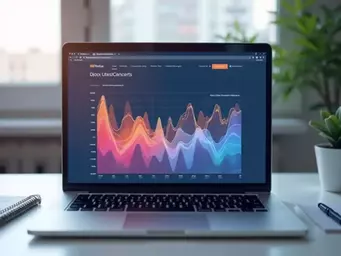
Using tools like heatmaps and form tracking, we analyze user behavior to refine these pathways continuously. This iterative approach ensures that every design decision is backed by data, maximizing the potential for conversions.
Why Conversion Rates Matter for E-commerce Success
Understanding conversion rates is crucial for any e-commerce business. These metrics tell us how effectively our website turns visitors into customers. A high conversion rate indicates that your site is doing its job well, while a low rate suggests that there may be barriers preventing users from completing their purchases.
- Increased Revenue: Higher conversion rates lead to increased sales and profitability.
- Cost Efficiency: Improving conversions reduces the need for expensive marketing spends.
- Better User Experience: Focusing on conversions often enhances overall user experience, leading to long-term customer loyalty.
In my experience, understanding and improving conversion rates can turn a struggling website into a thriving e-commerce powerhouse. Every adjustment we make can have a profound impact!
Key Principles that Drive Conversions
Creating Focus: Simplifying User Choices
One key principle of conversion-focused design is creating focus by simplifying user choices. When visitors are overwhelmed with options, they can experience decision fatigue, leading to inaction. By narrowing choices and presenting clear paths, we guide users toward making decisions faster.
- Limit Options: Offer a curated selection of products rather than overwhelming your visitors with everything at once.
- Clear Navigation: Ensure your site navigation is intuitive and leads users directly to what they’re looking for.
- Highlight Key Products: Use visual cues to draw attention to best-sellers or special promotions.
This approach not only streamlines the buying process but also enhances user satisfaction, making customers feel more in control of their shopping journey.
Establishing Trust: Building Credibility Through Design
Trust is an essential factor in driving conversions. Users need to feel confident in the website they’re purchasing from, which is where design plays a pivotal role. By incorporating elements that build credibility, such as customer reviews, secure payment icons, and professional layouts, we can significantly influence user perception.
- Use Real Testimonials: Showcase authentic customer reviews and ratings to build trust.
- SSL Certificates: Display security badges prominently to reassure users about safe transactions.
- Consistent Branding: Maintain visual consistency across all pages to strengthen brand identity.
When users trust a website, they’re much more likely to make a purchase. It’s all about creating a safe and welcoming digital space!
Reducing Friction: Streamlining the User Experience
Reducing friction in the shopping experience is another vital principle. Every point of friction, whether it’s a complicated checkout process or slow page load times, can lead to cart abandonment. By streamlining these processes, we can enhance the overall user experience. For strategies to enhance user experience through behavioral analytics, consider integrating tools that track user interactions.
- Simplify Checkout: Limit the number of steps in the checkout process to minimize drop-off.
- Optimize Loading Times: Ensure your website loads quickly to keep users engaged.
- Mobile Optimization: Design with mobile users in mind, as many shoppers browse on their phones!
By addressing friction points, we can create a smoother journey that encourages users to complete their purchases without frustration.
Incorporating Trust Signals and Social Proof in Design
Finally, incorporating trust signals and social proof into design is critical for enhancing conversions. These elements can take many forms, such as displaying media mentions, user-generated content, or satisfaction guarantees.
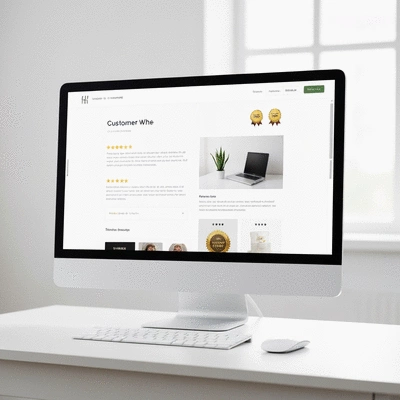
- Showcase Awards: If your products or services have received awards or accolades, display these prominently.
- Leverage Social Media: Integrate social media feeds that show real-time customer interactions with your brand.
- Utilize FOMO: Indicate limited stock availability or time-sensitive offers to create urgency.
Social proof taps into our natural desire to conform and can be a powerful motivator for potential customers. It reassures them they’re making the right choice!
Pro Tip
To truly harness the power of conversion-focused design, consider implementing A/B testing for your key design elements. By comparing different versions of your website—such as variations in call-to-action buttons or product layouts—you can gain valuable insights into user preferences and behaviors. This iterative approach allows you to refine your website continuously, ensuring it meets the needs of your audience and maximizes conversion rates!
Key Takeaways on Conversion-Focused Design Principles
At Conversion Catalyst Design, we've learned that the right design principles can dramatically enhance conversion rates for e-commerce websites. Every element, from layout to color choice, plays a crucial role in guiding users toward desired actions. It’s not just about looking good; it’s about strategically crafting experiences that lead to results!
To summarize, effective design influences conversions by:
- Directing user attention where it matters most.
- Establishing trust through credible visuals and messaging.
- Simplifying choices to avoid overwhelming visitors.
Summarizing the Impact of Effective Design on Conversions
When we focus on conversion-focused design, we’re not just changing the look of a website—we're transforming its effectiveness. A well-structured e-commerce site can enhance user experience significantly, making the shopping journey smooth and enjoyable. This leads to higher sales, repeat visits, and positive word-of-mouth, which is invaluable in today’s competitive market.
Some impactful outcomes of effective design include:
- Increased engagement rates due to clear navigation.
- Higher conversion rates thanks to persuasive CTAs.
- Improved customer satisfaction through streamlined processes.
Encouraging Continuous Testing and Optimization
One of the keys to maintaining a successful e-commerce site is the practice of continuous testing. As I often remind my clients, “What works today might not work tomorrow!” It’s essential to regularly assess your design elements and user interactions to ensure optimal performance. This process allows you to adapt to changing user behaviors and preferences, maximizing your conversion potential. For more insights on this, consider exploring improving UX with heatmaps and replays.
Here are a few strategies for continuous testing and optimization:
- Conduct A/B testing on key design elements like CTAs and product images.
- Utilize heatmaps to identify user behavior patterns.
- Regularly analyze site analytics to spot trends and areas for improvement.
Next Steps for Implementing Conversion-Focused Design
As we move forward, it’s crucial to take actionable steps to implement these principles effectively. With Conversion Catalyst Design's expertise, we’re here to guide you in transforming your e-commerce website into a conversion powerhouse!
Actionable Checklists for E-commerce Teams
To get started, here’s a simple checklist to help your team focus on conversion-focused design:
- Evaluate your current design against key conversion principles.
- Identify areas where users might face friction.
- Set up A/B tests for different design variations.
- Gather feedback from users to understand their needs better.
- Regularly review analytics to track progress and make data-driven decisions.
By following this checklist, you can systematically enhance your site’s ability to convert visitors into customers!
Resources for Further Learning and Improvement
For those looking to deepen their understanding of conversion-focused design, there are numerous resources available. At Conversion Catalyst Design, we encourage continuous learning and improvement!
Exploring Customer Reviews and Loyalty Programs
One particularly effective way to boost conversions is through the use of customer reviews and loyalty programs. Not only do they build trust, but they also encourage repeat business. Make sure to feature testimonials prominently on your site and consider implementing loyalty rewards to keep customers coming back!
By embracing these strategies, you can create a dynamic e-commerce experience that not only looks good but also delivers on your business goals! Let’s make your website a conversion catalyst today!
Recap of Key Points
Here is a quick recap of the important points discussed in the article:
- Conversion-focused design combines aesthetics and functionality to guide users toward their goals.
- Understanding and improving conversion rates can significantly enhance e-commerce success.
- Simplifying user choices reduces decision fatigue and encourages faster purchasing decisions.
- Building trust through design elements like testimonials and security badges can greatly influence user confidence.
- Streamlining the user experience by reducing friction points, such as complicated checkouts, minimizes cart abandonment.
- Incorporating trust signals and social proof can motivate potential customers to complete their purchases.
- Continuous testing and optimization are essential for adapting to changing user behaviors and improving site performance.
Frequently Asked Questions About Conversion-Focused Design
What is conversion-focused design?
Conversion-focused design is a strategic approach to website design that prioritizes guiding users toward specific desired actions, such as making a purchase or signing up for a newsletter. It blends aesthetics with functionality to create a seamless and persuasive user experience.
Why are conversion rates important for e-commerce?
Conversion rates are crucial because they directly impact a business's revenue and profitability. Higher conversion rates mean more sales from the same amount of traffic, leading to increased efficiency in marketing spend and a better return on investment. They also indicate a positive user experience.
How does simplifying user choices improve conversions?
Simplifying user choices reduces "decision fatigue," a phenomenon where too many options overwhelm users and lead to inaction. By offering curated selections, clear navigation, and highlighting key products, businesses can guide users to make quicker, more confident purchasing decisions.
What role does trust play in conversion-focused design?
Trust is fundamental. Users are more likely to make a purchase from a website they perceive as credible and secure. Design elements like authentic testimonials, security badges (e.g., SSL certificates), and consistent branding help build this trust, reassuring users about the safety and reliability of their transaction.
What are some ways to reduce friction in the e-commerce experience?
Reducing friction involves streamlining the user experience to remove obstacles that might lead to cart abandonment. Key strategies include simplifying the checkout process (fewer steps), optimizing page loading times for speed, and ensuring the website is fully optimized for mobile devices, as many users shop on their phones.