The future of web design is here, and it's personalized. As businesses increasingly rely on AI to tailor user experiences, understanding its implications can set you apart. What insights can you gain to enhance your own digital strategies?
What You Will Learn
- AI-driven personalization customizes user experiences by analyzing behavior and preferences.
- Personalization increases user engagement, satisfaction, and conversion rates.
- Key technologies include machine learning, neural networks, and natural language processing.
- Continuous improvement through user feedback and data analytics is essential for effective personalization.
- Future trends include predictive analytics, voice and visual search integration, and privacy-centric strategies.
AI-Driven Personalization: Technologies and Benefits
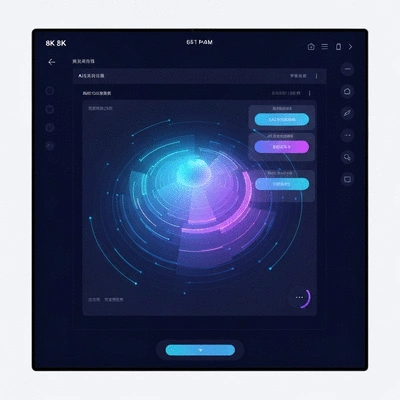
This visual outlines the core technologies powering AI-driven personalization and the key benefits they deliver in enhancing user experience.
Key Technologies Behind AI Personalization
- •Machine Learning & Neural Networks
- •Natural Language Processing (NLP)
- •Predictive Analytics
Benefits for User Experience
- •Increased User Engagement
- •Higher Conversion Rates
- •Enhanced Customer Loyalty
Continuous Improvement Cycle
- •Review User Feedback & Analytics
- •Conduct A/B Testing
- •Utilize Heatmaps & Form Tracking
Future Trends in AI Personalization
- •Increased Predictive Analytics
- •Voice & Visual Search Integration
- •Privacy-Centric Strategies
Understanding AI-Driven Personalization for Enhanced User Experience
Have you ever visited a website that seemed to know exactly what you were looking for? That’s the magic of AI-driven personalization! This approach tailors the online experience to individual users by leveraging data and advanced technologies. As a web designer and digital strategist, I truly believe in the power of AI to create engaging and relevant user experiences. Let’s dive into what AI-driven personalization really entails and why it’s crucial for enhancing user experience. For more insights on how data can transform user interactions, consider exploring how behavioral analytics enhances user experience.
What is AI-Driven Personalization?
At its core, AI-driven personalization refers to the use of artificial intelligence technologies to customize user interactions on websites and applications. By analyzing user behavior, preferences, and historical data, AI can deliver personalized content, recommendations, and experiences. This isn’t just a trend; it’s a game-changer in how businesses connect with their audience.
- Tailored content recommendations based on user interests
- Dynamic website layouts that adapt to user interactions
- Personalized email marketing campaigns informed by user activity
For example, think about how a streaming service suggests shows based on your viewing history. This level of personalization helps keep users engaged and encourages them to return, which is vital for any successful business strategy.
Why is Personalization Important for User Experience?
Personalization significantly enhances user experience by making interactions more relevant and satisfying. When users feel that a website understands their needs, they're more likely to stay longer and convert into loyal customers. It's not just about aesthetics; it’s about creating a connection with the user.
- Increased user engagement and satisfaction
- Higher conversion rates due to tailored content
- Enhanced customer loyalty through meaningful experiences
As the owner of Conversion Catalyst Design, I’ve seen firsthand how personalized experiences can transform a website's performance. By focusing on user-centric design, we ensure that every touchpoint resonates with the visitor, leading to greater success. This approach aligns well with understanding the key elements for effective websites.
Key Technologies Behind AI-Powered Personalization
There are several technologies driving AI-powered personalization. Understanding these can help businesses implement effective strategies that resonate with their audience. Let’s explore some of the key players in this space.
Exploring Machine Learning and Neural Networks
Machine learning (ML) is at the heart of AI personalization. It allows systems to learn from data and improve over time without being explicitly programmed. Neural networks, a subset of ML, mimic human brain activity to analyze vast amounts of data. Together, they enable predictive modeling, helping businesses anticipate user needs and preferences.
The Role of Natural Language Processing in Personalization
Natural Language Processing (NLP) is another crucial technology that enhances personalization. It enables machines to understand and respond in human language. By analyzing user queries and feedback, NLP can help tailor content and improve user interactions, making them feel more personal and engaging.
Incorporating these technologies into web design isn’t just beneficial—it's essential for staying competitive in today’s digital landscape. As we continue to leverage these innovations at Conversion Catalyst Design, I’m excited to see how AI can further enhance user experiences and drive conversions!
Pro Tip
To maximize the benefits of AI-driven personalization, consider implementing a feedback loop. Regularly collect user feedback and analytics to refine your personalization strategies. This approach not only enhances user experience but also ensures that your content remains relevant and engaging over time.
Final Thoughts on AI-Driven Personalization and User Engagement
As I reflect on the power of AI-driven personalization, it’s clear that this is not just a trend—it's a necessity for businesses aiming to thrive in a competitive landscape. Personalization enables us to tailor the user experience, making interactions more meaningful and engaging. I’ve seen firsthand how a website that understands its visitors can significantly enhance user satisfaction and foster loyalty.
Every interaction provides crucial insights that can be leveraged to refine our approach. Continuous improvement is key; as users engage with your site, you learn more about their preferences and behaviors. This ongoing cycle of learning and adapting ensures that your personalization strategies remain relevant and effective.
Continuous Improvement: Learning from User Interactions
To truly benefit from AI-driven personalization, businesses must embrace a mindset of continuous improvement. By analyzing user interactions, we can uncover patterns and preferences that guide our design decisions. Here are some ways to achieve this:
- Regularly review user feedback and analytics.
- Conduct A/B testing to compare different personalization strategies.
- Utilize heatmaps to visualize user behavior on your site.
Implementing these practices allows for better decision-making and helps maintain a user-centric approach. Trust me, your users will appreciate the efforts you make to enhance their experience! For more on monitoring user behavior, check out improving UX with heatmaps and replays.
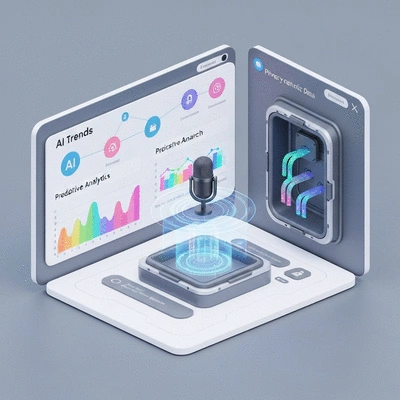
Looking Ahead: Future Trends in AI Personalization
As we look towards the future, several trends in AI personalization will shape the way we engage with users. Staying updated with these trends will be crucial for businesses like ours at Conversion Catalyst Design. Here are some noteworthy directions:
- Increased Use of Predictive Analytics: Anticipating user needs based on past behaviors will become more refined.
- Greater Integration of Voice and Visual Search: Personalization will extend into how users interact with AI.
- More Emphasis on Privacy-Centric Strategies: Balancing personalization with user privacy will be paramount.
These trends highlight the need for businesses to adapt and innovate constantly. By embracing these advancements, we can ensure that our personalization strategies remain effective and relevant in an ever-evolving digital landscape.
Emerging Technologies in User-Centric Design
Emerging technologies are set to revolutionize how we approach user-centric design. Innovations such as augmented reality (AR) and virtual reality (VR) offer new avenues for engaging users in personalized experiences. Imagine a scenario where visitors can visualize products in their environment before making a purchase! It's not just about aesthetics; it's about creating meaningful interactions that resonate with users.
By integrating these technologies, we can elevate the user experience and push the boundaries of what’s possible in web design. Embracing change and being open to new ideas will keep us ahead of the curve.
Take Action: Start Enhancing User Experience Today
Are you ready to take your personalization journey to the next level? The integration of AI-driven strategies can dramatically enhance user engagement and lead to improved conversion rates. Here are some actionable steps to get started:
- Assess your current data collection methods.
- Identify key user personas based on their interactions.
- Choose the right tools to implement personalized experiences.
With these steps, you’ll be well on your way to creating a more personalized user experience that resonates with your audience!
Resources and Tools for Implementing AI Personalization
There are plenty of resources available to help you implement AI personalization effectively. Some tools that I often recommend include:
- Google Analytics: For analyzing user behavior and traffic sources.
- HubSpot: Great for managing customer relationships and personalizing marketing efforts.
- Optimizely: Ideal for A/B testing and experimenting with different personalization strategies.
Utilizing these tools can streamline your process and provide valuable insights, making your journey towards enhanced user experience much smoother.
Leveraging Digital Experience Platforms for Effective Personalization
Digital experience platforms (DXPs) can be game changers for personalizing user experiences. They integrate various tools and technologies, providing a unified approach to delivering tailored content and interactions. By leveraging DXPs, we can create a seamless and engaging user journey that captures interest and drives conversions.
It's exciting to think about how we can utilize these platforms to enhance our offerings at Conversion Catalyst Design. I encourage you to explore how DXPs can fit into your personalization strategy as well!
Frequently Asked Questions About AI-Driven Personalization
What is AI-driven personalization?
Why is personalization important for user experience?
What key technologies power AI personalization?
How can businesses continuously improve their personalization strategies?
What are the future trends in AI personalization?
Recap of Key Points
Here is a quick recap of the important points discussed in the article:
- AI-driven personalization customizes user interactions by analyzing behavior and preferences.
- Personalization enhances user experience, leading to increased engagement and higher conversion rates.
- Key technologies such as machine learning and natural language processing play crucial roles in effective personalization.
- Continuous improvement is essential—regularly analyze user interactions to refine personalization strategies.
- Stay updated with future trends like predictive analytics and privacy-centric strategies to maintain competitiveness.